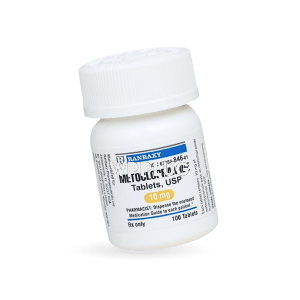
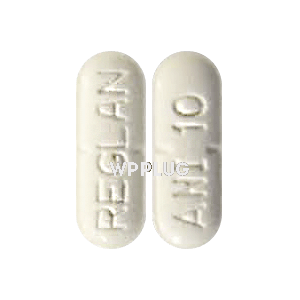
Metoclopramide is a dopamine receptor antagonist and serotonin receptor agonist primarily used as an antiemetic and gastrointestinal prokinetic agent. First synthesized in the 1960s, this medication has become a cornerstone in managing various gastrointestinal disorders and chemotherapy-induced nausea. What’s fascinating about metoclopramide is how it bridges multiple therapeutic areas - from gastroenterology to oncology to emergency medicine. I remember my first rotation in medical school where I saw an elderly woman with diabetic gastroparesis who hadn’t been able to keep food down for days.
Bentyl, known generically as dicyclomine hydrochloride, is an anticholinergic/antispasmodic agent primarily prescribed for managing symptoms of irritable bowel syndrome (IBS). It works by relaxing smooth muscles in the gut, reducing cramping and spasms without directly affecting gastric acid secretion. Available in oral tablets, capsules, and liquid forms, it’s been a staple in gastroenterology for decades despite newer agents emerging. 1. Introduction: What is Bentyl? Its Role in Modern Medicine Bentyl (dicyclomine hydrochloride) occupies a unique niche in gastrointestinal therapeutics.
Compazine, known generically as prochlorperazine, is a phenothiazine derivative primarily used as an antiemetic and antipsychotic agent. It’s been a workhorse in clinical practice for decades, particularly valuable for managing severe nausea and vomiting when other treatments fail. What’s interesting is how its mechanism differs from newer antiemetics - it doesn’t just work on serotonin receptors like ondansetron but has broader dopamine antagonism that makes it particularly effective for certain types of vomiting.
Erythromycin is a macrolide antibiotic derived from Streptomyces erythreus, first isolated in 1952. It represents one of the older classes of antibiotics still in clinical use today, primarily valued for its activity against Gram-positive bacteria and some atypical pathogens. Available in oral, topical, and intravenous formulations, erythromycin serves as both a therapeutic agent and, in certain contexts, a prokinetic agent for gastrointestinal motility disorders. Its role has evolved with the emergence of bacterial resistance, but it remains a relevant option in specific clinical scenarios, particularly for patients with penicillin allergies.
Fosfomycin, specifically fosfomycin tromethamine, is an oral antibiotic with a unique chemical structure and mechanism of action that sets it apart from other antimicrobial agents. It’s a phosphonic acid derivative, originally isolated from Streptomyces species. In clinical practice, it’s primarily formulated as a single-dose sachet for uncomplicated urinary tract infections (UTIs), offering a convenient, well-tolerated option with a broad spectrum of activity against common uropathogens, including some multidrug-resistant strains. Its role has expanded in recent years due to increasing antibiotic resistance, making it a valuable tool in the antimicrobial arsenal.
Let me start by describing what we’re actually dealing with here before diving into the formal structure. Kytril isn’t your typical dietary supplement - it’s granisetron, a potent 5-HT3 receptor antagonist that fundamentally changed how we manage chemotherapy-induced nausea and vomiting back in the early 1990s. I remember when this compound first hit our oncology unit, we were skeptical after the limited success of earlier antiemetics. The development team at SmithKline Beecham (now GSK) actually had significant internal debates about whether to pursue oral versus primarily IV formulations.
Domperidone, marketed under the brand name Motilium among others, represents a fascinating chapter in gastroenterological therapeutics. It’s a dopamine antagonist that specifically blocks D2 and D3 receptors, which gives it unique prokinetic properties without the significant central nervous system penetration that characterizes some similar agents. What’s particularly interesting about domperidone is how it straddles that line between prescription medication and over-the-counter availability in various jurisdictions - a regulatory dance that speaks volumes about its risk-benefit profile.
Phenergan, known generically as promethazine, is a first-generation antihistamine of the phenothiazine class that’s been in clinical use since the 1940s. It’s primarily used for allergy symptoms, nausea/vomiting, motion sickness, and as a sedative. What’s fascinating about this drug isn’t just its multiple indications but how its mechanism differs significantly from newer antihistamines - it has substantial anticholinergic and antidopaminergic effects that make it both powerful and problematic in certain populations.
Promethazine hydrochloride is a phenothiazine derivative with potent antihistaminic, antiemetic, and sedative properties. First synthesized in the 1940s, it’s been a workhorse in clinical practice for decades, particularly for managing nausea, vomiting, allergic conditions, and as a preoperative sedative. It’s available in various forms—tablets, suppositories, syrup, and injectable solutions—making it versatile across different patient populations and clinical settings. Despite newer agents, its reliable efficacy and low cost keep it firmly in our therapeutic arsenal.