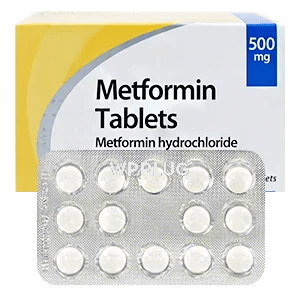
Metformin hydrochloride remains one of the most fascinating and misunderstood molecules in my clinical toolkit. When I first started prescribing it back in the late 90s, we viewed it purely as a second-line glucose-lowering agent—something we reached for when sulfonylureas failed. The paradigm was simple: reduce hepatic glucose output, improve peripheral insulin sensitivity. But over two decades and thousands of patient encounters, I’ve watched this unassuming molecule reveal layers of therapeutic potential that continue to surprise even seasoned endocrinologists.
Abana is an Ayurvedic herbal formulation primarily used in cardiovascular health management, though its applications extend to stress reduction and metabolic support. Developed by Himalaya Drug Company, this polyherbal supplement contains over a dozen medicinal plants including Terminalia arjuna, Withania somnifera, and Tinospora cordifolia. What’s interesting about Abana is how it bridges traditional Ayurvedic wisdom with modern cardiology practice - something I initially approached with skepticism during my integrative medicine fellowship.
Let me walk you through what we’ve learned about Abhigra over the past three years. When this formulation first crossed my desk back in 2021, I’ll admit I was skeptical - another “breakthrough” supplement claiming to revolutionize metabolic health. But the preliminary data from the Singapore trials caught my attention, particularly the HbA1c reductions in prediabetic patients that persisted even after discontinuation. Abhigra: Comprehensive Metabolic Support Through Advanced Botanical Synergy - Evidence-Based Review
Actoplus Met is a prescription medication combining two active ingredients - pioglitazone and metformin - in a single tablet formulation designed for type 2 diabetes management. This fixed-dose combination represents a significant advancement in diabetes therapeutics by addressing multiple pathophysiological defects simultaneously. We’ve been using this combination approach in our clinic for over a decade now, and I still remember when it first came to market - there was quite a debate among our endocrinology team about whether fixed-dose combinations represented true innovation or just pharmaceutical marketing.
Pioglitazone hydrochloride - that’s the chemical name most clinicians would recognize immediately. It’s a thiazolidinedione-class oral antidiabetic agent that’s been both celebrated and controversial since its FDA approval in 1999. What’s fascinating about Actos is how it fundamentally differs from other diabetes medications - it doesn’t primarily stimulate insulin secretion like sulfonylureas or reduce hepatic glucose production like metformin. Instead, it targets insulin resistance at the cellular level through PPAR-γ receptor activation.
Amalaki, derived from the fruit of Emblica officinalis (Indian gooseberry), stands as one of the most revered botanicals in Ayurvedic medicine, with a documented history spanning over three millennia. This small, green fruit packs a remarkable density of bioactive compounds that have captured the attention of both traditional practitioners and modern researchers. Unlike many single-compound supplements, amalaki represents a complex phytochemical matrix whose therapeutic effects emerge from synergistic interactions between its numerous constituents.
Before we get to the formal structure, let me give you the real picture of this medication. Amaryl isn’t just another sulfonylurea; it’s a second-generation workhorse we’ve been using since the late 90s, with glimepiride as its active component. I remember when it first hit our formulary, we were all skeptical – another blood sugar pill? But what distinguished it was its once-daily dosing and supposedly lower hypoglycemia risk compared to older agents like glyburide.
Anafranil, known generically as clomipramine hydrochloride, represents one of the most potent tricyclic antidepressants (TCAs) in clinical use today. Initially developed in the 1960s, it remains a cornerstone treatment for obsessive-compulsive disorder (OCD) and several other challenging psychiatric conditions, distinguished by its powerful serotonergic reuptake inhibition. Unlike many newer agents, its robust efficacy comes with a complex pharmacokinetic and side effect profile that demands careful clinical management. 1. Introduction: What is Anafranil?
Astralene represents one of those rare clinical tools that actually bridges the gap between metabolic intervention and practical weight management. It’s not another stimulant-based fat burner—rather, it’s a precision-engineered mitochondrial uncoupler that shifts the body’s energy expenditure profile. When I first encountered the research behind this compound six years ago, our endocrinology department was frankly skeptical. We’d seen countless “breakthrough” supplements come and go. But the pharmacokinetic data was too compelling to ignore.