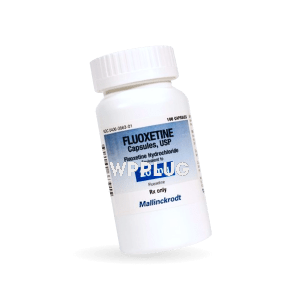

| Product dosage: 10mg | |||
|---|---|---|---|
| Package (num) | Per cap | Price | Buy |
| 180 | $0.34 | $62.02 (0%) | 🛒 Add to cart |
| 360 | $0.31
Best per cap | $124.04 $111.04 (10%) | 🛒 Add to cart |
| Product dosage: 20mg | |||
|---|---|---|---|
| Package (num) | Per cap | Price | Buy |
| 60 | $0.67 | $40.01 (0%) | 🛒 Add to cart |
| 90 | $0.60 | $60.02 $54.02 (10%) | 🛒 Add to cart |
| 120 | $0.56 | $80.03 $67.02 (16%) | 🛒 Add to cart |
| 180 | $0.53 | $120.04 $95.03 (21%) | 🛒 Add to cart |
| 270 | $0.51 | $180.06 $137.04 (24%) | 🛒 Add to cart |
| 360 | $0.50
Best per cap | $240.08 $179.06 (25%) | 🛒 Add to cart |
Synonyms
| |||
Similar products
More info:
Fluoxetine: Evidence-Based Treatment for Depression and Anxiety Disorders - Comprehensive Review
Fluoxetine is a selective serotonin reuptake inhibitor (SSRI) antidepressant medication, not a dietary supplement or medical device. It’s prescribed primarily for major depressive disorder, obsessive-compulsive disorder, panic disorder, and bulimia nervosa. This compound works by increasing serotonin levels in the brain, which helps regulate mood, appetite, and sleep patterns. I remember when we first started working with fluoxetine back in the early 90s - the excitement was palpable but so was the skepticism.
Abilify: Dopamine System Stabilization for Multiple Psychiatric Conditions - Evidence-Based Review
Aripiprazole, marketed under the brand name Abilify, represents a significant advancement in psychopharmacology as a second-generation antipsychotic medication. Unlike earlier antipsychotics that primarily acted through dopamine D2 receptor antagonism, aripiprazole functions as a partial dopamine agonist - a novel mechanism that provides both agonist activity when dopamine levels are low and antagonist effects when dopamine is excessive. This unique pharmacological profile has positioned it as a versatile agent in managing various psychiatric conditions including schizophrenia, bipolar disorder, major depressive disorder as adjunctive therapy, and irritability associated with autistic disorder.
Amitriptyline: Multimodal Relief for Chronic Pain and Depression - Evidence-Based Review
Amitriptyline is a tricyclic antidepressant (TCA) that has been a cornerstone in psychiatric and pain management for decades. Initially developed for depression, its utility has expanded significantly due to its multifaceted pharmacological profile. It’s not just an antidepressant—it’s a versatile agent for chronic pain, migraine prophylaxis, and various off-label uses, making it a staple in many clinicians’ arsenals. The drug’s enduring relevance stems from its robust efficacy, affordability, and the depth of real-world experience supporting its use, despite the emergence of newer agents.
Anafranil: Potent OCD and Depression Relief - Evidence-Based Review
Anafranil, known generically as clomipramine hydrochloride, represents one of the most potent tricyclic antidepressants (TCAs) in clinical use today. Initially developed in the 1960s, it remains a cornerstone treatment for obsessive-compulsive disorder (OCD) and several other challenging psychiatric conditions, distinguished by its powerful serotonergic reuptake inhibition. Unlike many newer agents, its robust efficacy comes with a complex pharmacokinetic and side effect profile that demands careful clinical management. 1. Introduction: What is Anafranil?
Ascorbic Acid: Essential Antioxidant Support for Immune Health and Collagen Synthesis - Evidence-Based Review
Ascorbic acid, commonly known as Vitamin C, is a water-soluble essential nutrient with potent antioxidant properties. It plays a critical role in collagen synthesis, immune function, neurotransmitter production, and iron absorption. Unlike most mammals, humans cannot synthesize ascorbic acid endogenously due to a mutation in the L-gulonolactone oxidase gene, making dietary intake or supplementation necessary for preventing deficiency states like scurvy. In clinical practice, we see everything from straightforward deficiency correction to off-label use in sepsis protocols – the applications keep expanding as research evolves.
Bromhexine: Effective Mucus Clearance for Respiratory Conditions - Evidence-Based Review
Bromhexine hydrochloride is a well-established mucolytic agent, a derivative of the vasicine alkaloid from Adhatoda vasica, used clinically since the 1960s. It functions as a secretolytic and secretomotor drug, facilitating the clearance of viscous, tenacious mucus from the respiratory tract. This monograph provides a comprehensive, evidence-based review of its pharmacology, clinical applications, and practical use. 1. Introduction: What is Bromhexine? Its Role in Modern Medicine Bromhexine is a synthetic derivative of the plant alkaloid vasicine, developed as a pharmaceutical agent to address abnormal mucus viscosity and impaired mucociliary clearance.
bystolic
Bystolic represents one of those interesting cases where a beta-blocker managed to distinguish itself in a crowded therapeutic class. Known generically as nebivolol, this medication occupies a unique position in cardiovascular management due to its distinctive pharmacological profile that combines beta-1 selectivity with nitric oxide-mediated vasodilation. Unlike traditional beta-blockers that often cause peripheral vasoconstriction and cold extremities, Bystolic offers hemodynamic benefits that make it particularly valuable in hypertension management. Bystolic: Advanced Blood Pressure Control with Vasodilatory Benefits 1.
Celexa: Effective Symptom Relief for Major Depressive Disorder - Evidence-Based Review
Celexa, known generically as citalopram hydrobromide, is a selective serotonin reuptake inhibitor (SSRI) antidepressant medication approved by the FDA for the treatment of major depressive disorder (MDD) in adults. It functions by increasing serotonin levels in the brain, which helps improve mood, sleep, appetite, and energy level. Celexa is one of the most widely prescribed antidepressants globally due to its efficacy and relatively favorable side effect profile compared to older antidepressants.
clomid
Clomiphene citrate, commonly known by its brand name Clomid, represents one of the most foundational and extensively studied oral ovulation induction agents in reproductive medicine. As a selective estrogen receptor modulator (SERM), its primary mechanism involves blocking estrogen receptors at the hypothalamic level, which tricks the body into perceiving low estrogen levels. This prompts increased gonadotropin-releasing hormone (GnRH) secretion from the hypothalamus, subsequently stimulating the pituitary gland to release more follicle-stimulating hormone (FSH) and luteinizing hormone (LH).