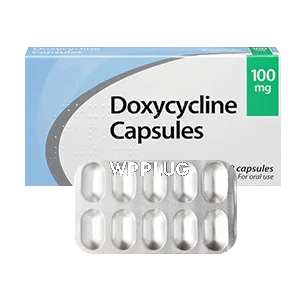
Doxycycline is a broad-spectrum tetracycline-class antibiotic derived from oxytetracycline, first isolated in the 1950s. It’s one of those workhorse antimicrobials that somehow manages to stay relevant decade after decade, which is pretty remarkable in our field. What makes doxycycline particularly valuable is its wide therapeutic window, excellent tissue penetration, and dual bacteriostatic action through protein synthesis inhibition. We use it for everything from routine respiratory infections to complex vector-borne diseases and even inflammatory conditions like rosacea.
Amoxicillin, commonly recognized by its brand name Amoxil, is a broad-spectrum aminopenicillin antibiotic belonging to the beta-lactam class. It’s a cornerstone in antimicrobial therapy, derived from the basic penicillin structure but with enhanced activity against gram-negative organisms due to the amino group. In clinical practice, it’s one of the most frequently prescribed antibiotics globally, available in various formulations including capsules (250 mg, 500 mg), chewable tablets, oral suspensions (125 mg/5 mL, 250 mg/5 mL), and pediatric drops.
Augmentin is a widely prescribed combination antibiotic medication, not a dietary supplement or medical device, consisting of amoxicillin and clavulanate potassium. It belongs to the penicillin class of antibiotics and is specifically formulated to combat bacterial infections that are resistant to amoxicillin alone, due to the beta-lactamase inhibiting action of clavulanate. This makes it a broad-spectrum antibiotic effective against a variety of gram-positive and gram-negative bacteria. In clinical practice, Augmentin is a go-to for treating common infections like sinusitis, otitis media, pneumonia, and urinary tract infections, especially in cases where initial antibiotic therapy has failed or resistance is suspected.
Bactrim isn’t something you’d typically find in the supplement aisle - it’s actually a prescription antibiotic combination that’s been in our arsenal since the late 1960s. What makes it interesting is how these two components, sulfamethoxazole and trimethoprim, work together. They hit bacterial folate synthesis at two different points, which creates this synergistic effect that’s particularly useful for certain stubborn infections. Bactrim: Dual-Action Antibiotic Therapy for Bacterial Infections - Evidence-Based Review 1.
Cefixime is a third-generation cephalosporin antibiotic that represents a significant advancement in oral antibacterial therapy. As someone who’s prescribed antibiotics for over two decades, I’ve watched cefixime evolve from a novel compound to a workhorse in our infectious disease arsenal. What makes cefixime particularly valuable isn’t just its broad-spectrum coverage but its reliable oral bioavailability - something we desperately needed back in the late 80s when IV antibiotics were often our only option for serious gram-negative infections.
Ceftin, known generically as cefuroxime axetil, is a second-generation cephalosporin antibiotic available in oral tablet form. It represents a crucial tool in the antimicrobial arsenal, designed to combat a broad spectrum of bacterial pathogens. Its development marked a significant advancement over first-generation agents, offering enhanced stability against beta-lactamases and improved coverage against Gram-negative organisms while retaining good activity against many Gram-positive bacteria. This profile makes it a versatile choice for treating common community-acquired infections, particularly those involving the respiratory tract and skin.
Cefuroxime axetil, marketed under the brand name Cenmox, represents a second-generation oral cephalosporin antibiotic with a well-established position in antimicrobial therapy. Its development in the 1980s addressed the growing need for beta-lactamase-stable alternatives to earlier antibiotics, particularly for respiratory and soft tissue infections where penicillin resistance was becoming problematic. The prodrug design—esterifying cefuroxime to create the axetil form—was frankly brilliant from a pharmacokinetic perspective, though we nearly abandoned the project twice due to formulation challenges with the bitter taste masking.
Before we get to the formal monograph, let me give you some context you won’t find in the package insert. When I first started using chloramphenicol back in my residency at County General, we had this older infectious disease attending, Dr. Petrov, who called it “the double-edged sword” - incredibly effective but with that bone marrow toxicity hanging over every prescription. I remember him telling me, “Resident, you respect this drug, or it will humble you.
Chloramphenicol, marketed under the brand name Chloromycetin among others, is a potent broad-spectrum antibiotic first isolated from Streptomyces venezuelae in 1947. It’s one of those old-school agents that still finds its place in specific, serious infections when newer antibiotics fail or are contraindicated. Structurally, it’s a bacteriostatic antimicrobial that inhibits bacterial protein synthesis by binding to the 50S ribosomal subunit, preventing peptide bond formation. Available in oral, topical (ophthalmic/otic), and parenteral formulations, its use is heavily restricted due to potentially fatal adverse effects like bone marrow suppression, including aplastic anemia.