| Product dosage: 250mg | |||
|---|---|---|---|
| Package (num) | Per pill | Price | Buy |
| 90 | $0.44 | $40.01 (0%) | 🛒 Add to cart |
| 120 | $0.37 | $53.35 $44.01 (17%) | 🛒 Add to cart |
| 180 | $0.30 | $80.02 $54.02 (32%) | 🛒 Add to cart |
| 360 | $0.22
Best per pill | $160.05 $79.02 (51%) | 🛒 Add to cart |
| Product dosage: 500mg | |||
|---|---|---|---|
| Package (num) | Per pill | Price | Buy |
| 60 | $0.72 | $43.01 (0%) | 🛒 Add to cart |
| 90 | $0.54 | $64.52 $49.01 (24%) | 🛒 Add to cart |
| 120 | $0.46 | $86.03 $55.02 (36%) | 🛒 Add to cart |
| 180 | $0.38 | $129.04 $68.02 (47%) | 🛒 Add to cart |
| 270 | $0.32 | $193.56 $86.03 (56%) | 🛒 Add to cart |
| 360 | $0.29
Best per pill | $258.08 $104.03 (60%) | 🛒 Add to cart |
| Product dosage: 750mg | |||
|---|---|---|---|
| Package (num) | Per pill | Price | Buy |
| 30 | $1.97 | $59.02 (0%) | 🛒 Add to cart |
| 60 | $1.38 | $118.04 $83.02 (30%) | 🛒 Add to cart |
| 90 | $1.18 | $177.05 $106.03 (40%) | 🛒 Add to cart |
| 120 | $1.08 | $236.07 $130.04 (45%) | 🛒 Add to cart |
| 180 | $0.98 | $354.11 $177.05 (50%) | 🛒 Add to cart |
| 360 | $0.88
Best per pill | $708.21 $317.09 (55%) | 🛒 Add to cart |
Synonyms | |||
Similar products
More info:
cipro
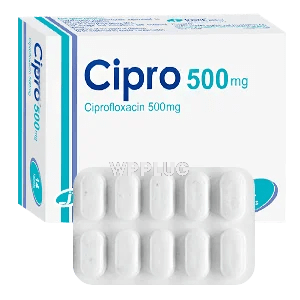
Ciprofloxacin, commonly referred to by its brand name Cipro, represents a cornerstone in modern antimicrobial therapy. This fluoroquinolone antibiotic has been a workhorse in clinical practice for decades, particularly valued for its broad-spectrum activity against both Gram-positive and Gram-negative bacteria. What makes Cipro truly distinctive isn’t just its antibacterial potency but its unique pharmacokinetic profile that allows for excellent tissue penetration - something we’ve repeatedly observed makes the difference between adequate and exceptional clinical outcomes, especially in difficult-to-treat infections like those involving bone or the prostate.
ciprodex ophthalmic solution
Ciprodex ophthalmic solution represents one of those rare formulations where the combination therapy actually makes clinical sense rather than just marketing sense. I’ve been using it in my ophthalmology practice for nearly a decade now, and I still remember when it first came across my desk - another “me-too” antibiotic-steroid combo, or so I thought. The reality turned out quite different. What struck me initially was the pharmacokinetic profile - ciprofloxacin at 0.
chloromycetin
Chloramphenicol, marketed under the brand name Chloromycetin among others, is a potent broad-spectrum antibiotic first isolated from Streptomyces venezuelae in 1947. It’s one of those old-school agents that still finds its place in specific, serious infections when newer antibiotics fail or are contraindicated. Structurally, it’s a bacteriostatic antimicrobial that inhibits bacterial protein synthesis by binding to the 50S ribosomal subunit, preventing peptide bond formation. Available in oral, topical (ophthalmic/otic), and parenteral formulations, its use is heavily restricted due to potentially fatal adverse effects like bone marrow suppression, including aplastic anemia.
Ciloxan Ophthalmic Solution: Effective Bacterial Conjunctivitis Treatment - Evidence-Based Review
Ciloxan ophthalmic solution is a sterile, preservative-free topical antibiotic formulation specifically designed for ocular infections. It contains ciprofloxacin hydrochloride, a broad-spectrum fluoroquinolone, at a concentration equivalent to 0.3% ciprofloxacin. The solution is presented in a 5mL dropper bottle, which is the standard for most ophthalmic treatments. Its primary role in modern ophthalmology is to provide targeted antimicrobial action against common and resistant pathogens causing bacterial conjunctivitis and corneal ulcers. The formulation’s pH is balanced to match the tear film, minimizing stinging upon instillation—a significant advancement over earlier antibiotic drops that often caused substantial patient discomfort.
ciplox
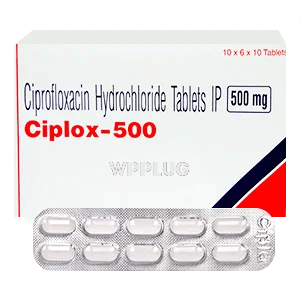
Ciprofloxacin, commonly encountered in clinical practice as Ciplox, represents a cornerstone fluoroquinolone antibiotic with a broad spectrum of activity against Gram-positive and Gram-negative bacteria. Its development marked a significant advancement in antimicrobial therapy, particularly for complex infections where older agents failed. We initially saw its potential in hospital-acquired pneumonias and complicated UTIs, but its utility has expanded significantly over the decades. The challenge, as with any potent agent, has always been balancing its remarkable efficacy with a mindful approach to its safety profile, something our team has debated extensively during formulary reviews.
Esbriet: Slowing Disease Progression in Idiopathic Pulmonary Fibrosis - Evidence-Based Review
Pirfenidone, marketed under the brand name Esbriet, represents a significant advancement in the management of idiopathic pulmonary fibrosis (IPF). This orally administered antifibrotic agent specifically targets the underlying pathological processes driving progressive lung scarring. Unlike traditional anti-inflammatory therapies that showed limited efficacy in IPF, Esbriet works through a multimodal mechanism addressing key pathways in fibrogenesis. The development journey spanned decades, with initial research into its properties beginning in the 1970s before its eventual approval for IPF treatment in 2011 in Europe and 2014 in the United States.
Eulexin: Advanced Prostate Cancer Management Through Androgen Blockade - Evidence-Based Review
Flutamide, marketed under the brand name Eulexin among others, is a non-steroidal anti-androgen medication primarily used in the management of advanced prostate cancer. It works by competitively inhibiting the binding of androgens like testosterone and dihydrotestosterone to their receptors in prostate tissue, thereby blocking the hormonal stimulation that fuels cancer cell growth. Eulexin is almost always prescribed in combination with a luteinizing hormone-releasing hormone (LHRH) agonist, creating a complete androgen blockade strategy.
floxin
Ofoxacin, commonly known by its brand name Floxin, represents a significant advancement in the fluoroquinolone class of antibiotics. This synthetic broad-spectrum antimicrobial agent has been a workhorse in clinical practice since its introduction, particularly valued for its potent activity against both Gram-positive and Gram-negative bacteria, including some atypical pathogens. Its development marked a shift towards agents with improved pharmacokinetics and a wider therapeutic window compared to earlier quinolones. In modern therapeutic regimens, Floxin occupies a crucial role, especially in managing respiratory, urinary tract, and sexually transmitted infections where other first-line agents may fail due to resistance or patient intolerance.
Levaquin: Potent Antibiotic for Resistant Bacterial Infections - Evidence-Based Review
Levofloxacin, commonly known by its brand name Levaquin, is a synthetic broad-spectrum fluoroquinolone antibiotic. It’s prescribed for treating various bacterial infections by inhibiting bacterial DNA gyrase and topoisomerase IV, enzymes critical for DNA replication. This agent has been a workhorse in hospitals and outpatient settings for decades, particularly for respiratory, urinary tract, and skin infections where other antibiotics fail. Its potency and bioavailability made it a go-to, but its profile carries significant warnings that every prescriber needs to weigh carefully.