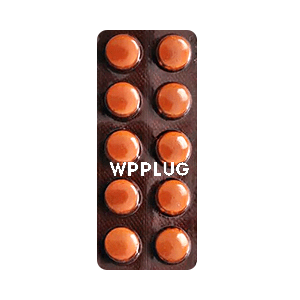
| Product dosage: 250mg | |||
|---|---|---|---|
| Package (num) | Per pill | Price | Buy |
| 30 | $1.83 | $55.04 (0%) | 🛒 Add to cart |
| 60 | $1.45 | $110.08 $87.07 (21%) | 🛒 Add to cart |
| 90 | $1.32 | $165.13 $119.09 (28%) | 🛒 Add to cart |
| 120 | $1.25 | $220.17 $150.11 (32%) | 🛒 Add to cart |
| 180 | $1.18 | $330.25 $212.16 (36%) | 🛒 Add to cart |
| 270 | $1.14 | $495.38 $307.23 (38%) | 🛒 Add to cart |
| 360 | $1.12
Best per pill | $660.50 $402.31 (39%) | 🛒 Add to cart |
Synonyms
| |||
Similar products
More info:
chloroquine
Chloroquine is a 4-aminoquinoline compound that’s been kicking around since the 1930s, originally derived from quinine. Most people think of it as an antimalarial, but its immunomodulatory properties are what really make it fascinating in modern practice. We initially used it for protozoal infections, but watching how it affected inflammatory pathways opened up entirely new applications. The molecular structure gives it this unique ability to accumulate in acidic vesicles and alter pH-dependent processes.
Hydroxychloroquine: Immunomodulatory Therapy for Autoimmune Conditions - Evidence-Based Review
Hydroxychloroquine sulfate, an antimalarial and immunomodulatory agent derived from quinine, exists as a white crystalline powder with bitter taste, typically formulated as 200mg film-coated tablets containing the equivalent of 155mg base. The molecular structure features a 4-aminoquinoline backbone with hydroxyl modification that significantly reduces ocular toxicity compared to its parent compound chloroquine while maintaining therapeutic efficacy. This pharmaceutical agent represents one of the most extensively repurposed drugs in modern medicine, transitioning from its original antimalarial indications to becoming a cornerstone in autoimmune disease management.
Doxycycline: Versatile Antibiotic for Bacterial Infections - Evidence-Based Review
Doxycycline is a broad-spectrum tetracycline-class antibiotic derived from oxytetracycline, first isolated in the 1950s. It’s one of those workhorse antimicrobials that somehow manages to stay relevant decade after decade, which is pretty remarkable in our field. What makes doxycycline particularly valuable is its wide therapeutic window, excellent tissue penetration, and dual bacteriostatic action through protein synthesis inhibition. We use it for everything from routine respiratory infections to complex vector-borne diseases and even inflammatory conditions like rosacea.
lariam
Lariam, known generically as mefloquine hydrochloride, represents one of the more controversial yet clinically significant antimalarial agents developed in the late 20th century. As a synthetic 4-quinolinemethanol derivative, it was originally synthesized by the Walter Reed Army Institute of Research during the 1970s and later commercialized by Hoffmann-La Roche. What makes Lariam particularly noteworthy isn’t just its potent activity against chloroquine-resistant Plasmodium falciparum strains, but the complex neuropsychiatric safety profile that would emerge through decades of real-world use.
plaquenil
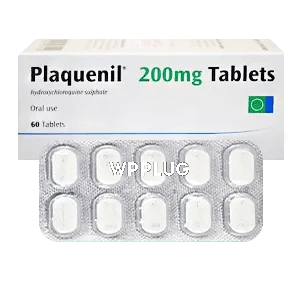
Plaquenil, the brand name for hydroxychloroquine sulfate, represents one of those foundational medications in rheumatology and dermatology that continues to surprise us decades after its introduction. It’s an antimalarial agent that found its true calling in autoimmune conditions, acting as both a disease-modifying agent and an immunomodulator. What’s fascinating is how this old drug keeps revealing new layers of complexity in its mechanisms and applications. ## 1. Introduction: What is Plaquenil?
primaquine
Primaquine phosphate remains one of those fascinating antimalarials that every infectious disease specialist has a complicated relationship with. It’s an 8-aminoquinoline compound that’s been around since the 1950s, yet we’re still uncovering new dimensions to its mechanism and applications. The distinctive yellow-colored tablets contain the active ingredient primaquine phosphate, equivalent to 15mg of primaquine base, and it’s this specific chemical structure that gives it both its remarkable efficacy and its most significant safety concern.
a ret gel
Product Description: A Ret Gel represents a significant advancement in topical retinoid therapy, combining pharmaceutical-grade tretinoin with a sophisticated hydrogel delivery system. This medical device/drug combination product addresses one of the biggest challenges in dermatological treatment: delivering effective concentrations of retinoids while minimizing the irritation that often limits patient adherence. The hydrogel matrix creates a controlled-release environment that maintains tretinoin stability and enhances skin penetration compared to traditional cream or gel formulations.
Abana: Comprehensive Cardiovascular and Stress Support - Evidence-Based Review
Abana is an Ayurvedic herbal formulation primarily used in cardiovascular health management, though its applications extend to stress reduction and metabolic support. Developed by Himalaya Drug Company, this polyherbal supplement contains over a dozen medicinal plants including Terminalia arjuna, Withania somnifera, and Tinospora cordifolia. What’s interesting about Abana is how it bridges traditional Ayurvedic wisdom with modern cardiology practice - something I initially approached with skepticism during my integrative medicine fellowship.
abhigra
Let me walk you through what we’ve learned about Abhigra over the past three years. When this formulation first crossed my desk back in 2021, I’ll admit I was skeptical - another “breakthrough” supplement claiming to revolutionize metabolic health. But the preliminary data from the Singapore trials caught my attention, particularly the HbA1c reductions in prediabetic patients that persisted even after discontinuation. Abhigra: Comprehensive Metabolic Support Through Advanced Botanical Synergy - Evidence-Based Review