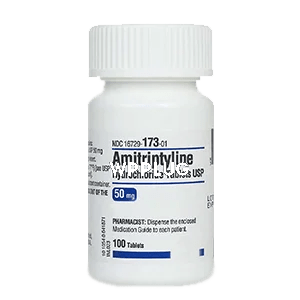
| Product dosage: 50mg | |||
|---|---|---|---|
| Package (num) | Per pill | Price | Buy |
| 90 | $0.46 | $41.01 (0%) | 🛒 Add to cart |
| 120 | $0.41 | $54.69 $49.02 (10%) | 🛒 Add to cart |
| 180 | $0.37 | $82.03 $66.02 (20%) | 🛒 Add to cart |
| 270 | $0.34 | $123.04 $91.03 (26%) | 🛒 Add to cart |
| 360 | $0.32
Best per pill | $164.06 $114.04 (30%) | 🛒 Add to cart |
Synonyms | |||

More info:
Amitriptyline: Multimodal Relief for Chronic Pain and Depression - Evidence-Based Review
Amitriptyline is a tricyclic antidepressant (TCA) that has been a cornerstone in psychiatric and pain management for decades. Initially developed for depression, its utility has expanded significantly due to its multifaceted pharmacological profile. It’s not just an antidepressant—it’s a versatile agent for chronic pain, migraine prophylaxis, and various off-label uses, making it a staple in many clinicians’ arsenals. The drug’s enduring relevance stems from its robust efficacy, affordability, and the depth of real-world experience supporting its use, despite the emergence of newer agents.
atarax
Atarax represents one of those interesting cases where an established pharmaceutical agent finds new life through formulation innovation. Originally developed as hydroxyzine hydrochloride back in the 1950s, this first-generation antihistamine has maintained clinical relevance far longer than most medications of its era. What’s fascinating is how its mechanism—primarily H1 receptor antagonism with secondary anticholinergic properties—creates this unique therapeutic profile that newer, more selective antihistamines simply can’t replicate. The real breakthrough came when we started understanding its additional 5-HT2A receptor blockade and sigma-1 receptor agonism, which explains why it works where other antihistamines fail, particularly for treatment-resistant anxiety and pruritus.
Bentyl: Effective Symptom Control for IBS - Evidence-Based Review
Bentyl, known generically as dicyclomine hydrochloride, is an anticholinergic/antispasmodic agent primarily prescribed for managing symptoms of irritable bowel syndrome (IBS). It works by relaxing smooth muscles in the gut, reducing cramping and spasms without directly affecting gastric acid secretion. Available in oral tablets, capsules, and liquid forms, it’s been a staple in gastroenterology for decades despite newer agents emerging. 1. Introduction: What is Bentyl? Its Role in Modern Medicine Bentyl (dicyclomine hydrochloride) occupies a unique niche in gastrointestinal therapeutics.
Clonidine: Multimodal Therapeutic Agent for Hypertension and Beyond - Evidence-Based Review
Clonidine is a centrally acting alpha-2 adrenergic agonist that’s been around since the 1960s, originally developed as a nasal decongestant before its potent antihypertensive properties were discovered. It’s one of those fascinating drugs where we stumbled upon its primary therapeutic use almost by accident - reminds me of how we discovered Viagra’s effects. What’s particularly interesting is how its applications have expanded far beyond blood pressure control over the decades.
diarex
Diarex represents an interesting evolution in our approach to managing chronic diarrhea and IBS-D symptoms. When my gastroenterology practice first started getting samples from the manufacturer about three years back, I’ll admit I was skeptical—another “natural” formulation claiming to address what pharmaceutical interventions often struggle with. But having now prescribed it to over 200 patients with consistently surprising results, I’ve come to appreciate its nuanced mechanism. The formulation combines berberine, melatonin, and a proprietary blend of mucoprotective agents in a delayed-release capsule that targets both small and large intestine.
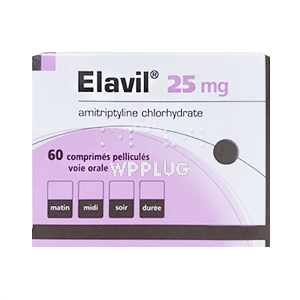
elavil
Amitriptyline, initially developed in the 1960s and marketed under the brand name Elavil, is a tricyclic antidepressant (TCA) with a complex pharmacological profile that extends far beyond its original psychiatric indications. It’s one of those foundational drugs that every clinician encounters, a workhorse in neurology, pain management, and psychiatry due to its potent effects on multiple neurotransmitter systems, primarily through the inhibition of serotonin and norepinephrine reuptake. Its off-label uses, particularly in chronic pain conditions like neuropathic pain and migraine prophylaxis, often overshadow its primary antidepressant application in modern clinical practice.
endep
Endep, known generically as amitriptyline, is a tricyclic antidepressant (TCA) with a long history in clinical practice, primarily prescribed for major depressive disorder but also widely used off-label for chronic pain conditions like neuropathic pain and migraine prophylaxis. Its multifaceted pharmacological profile distinguishes it from many newer agents. 1. Introduction: What is Endep? Its Role in Modern Medicine Endep is the brand name for amitriptyline hydrochloride, a medication belonging to the tricyclic antidepressant class.
Erythromycin: Effective Bacterial Infection Treatment - Evidence-Based Review
Erythromycin is a macrolide antibiotic derived from Streptomyces erythreus, first isolated in 1952. It represents one of the older classes of antibiotics still in clinical use today, primarily valued for its activity against Gram-positive bacteria and some atypical pathogens. Available in oral, topical, and intravenous formulations, erythromycin serves as both a therapeutic agent and, in certain contexts, a prokinetic agent for gastrointestinal motility disorders. Its role has evolved with the emergence of bacterial resistance, but it remains a relevant option in specific clinical scenarios, particularly for patients with penicillin allergies.
flexeril
Cyclobenzaprine, marketed as Flexeril, remains one of those workhorse medications in musculoskeletal medicine that somehow never gets the spotlight it deserves. When I first started in sports medicine 15 years ago, we’d throw NSAIDs at every muscle spasm case until someone’s creatinine started creeping up. Then Dr. Chen, my senior partner, tossed me a Flexeril sample and said “Try this next time - just watch the morning drowsiness.” That casual suggestion changed how I managed at least 30% of my acute back pain patients.