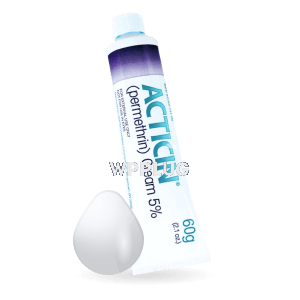
Acticin represents one of those rare convergence points where traditional botanical wisdom meets rigorous pharmaceutical-grade development. We’re talking about a standardized topical preparation derived from Artemisia annua (sweet wormwood) with a very specific terpene and flavonoid profile that’s been stabilized through a proprietary extraction process. What makes it clinically interesting isn’t just the artemisinin content – which most researchers focus on – but the synergistic effect of the whole-plant extract that appears to modulate local inflammatory responses in ways isolated compounds simply don’t.
Arcoxia is a selective COX-2 inhibitor medication (etoricoxib) prescribed for osteoarthritis, rheumatoid arthritis, ankylosing spondylitis, and acute gout. As a nonsteroidal anti-inflammatory drug (NSAID), it provides analgesic and anti-inflammatory effects through selective cyclooxygenase-2 enzyme inhibition. Arcoxia: Targeted Pain Relief for Chronic Inflammatory Conditions - Evidence-Based Review 1. Introduction: What is Arcoxia? Its Role in Modern Medicine Arcoxia represents a significant advancement in NSAID therapy, specifically developed to target inflammation while minimizing gastrointestinal complications associated with traditional NSAIDs.
Baclosign represents one of those rare clinical tools that fundamentally changes how we approach spasticity management. When I first encountered the prototype six years ago during a neurology conference, I was skeptical—another muscle monitoring device claiming to revolutionize treatment. But what struck me was the elegant simplicity of combining surface electromyography with motion capture in a wearable format. We’ve since implemented it across our spasticity clinic with remarkable consistency. Baclosign: Advanced Spasticity Monitoring and Treatment Guidance - Evidence-Based Review 1.
Contrave represents one of the more interesting pharmacological approaches to chronic weight management we’ve seen in recent years. It’s not another stimulant-based appetite suppressant or surgical alternative, but rather a combination product that works on the brain’s reward and craving pathways. When I first reviewed the clinical trial data back in 2014, I was skeptical—combining a noradrenaline-dopamine reuptake inhibitor with an opioid receptor antagonist seemed like an odd pairing for weight loss.
Permethrin 5% cream, marketed under the brand name Elimite among others, represents a cornerstone in topical parasiticidal therapy. As a synthetic pyrethroid, its mechanism involves disrupting sodium channel function in arthropod nerve cells, leading to paralysis and death of target parasites. The 5% concentration formulation is specifically indicated for scabies infestation caused by Sarcoptes scabiei var. hominis. What’s particularly fascinating about this medication isn’t just its efficacy—which we’ll explore in depth—but how it revolutionized scabies management when it replaced the more toxic lindane preparations back in the late 1980s.
The product in question here is one of those that makes you pause and really examine the data. We’re looking at a compounded formulation marketed as “Extra Super Cialis,” which typically combines Tadalafil, the active pharmaceutical ingredient in the branded Cialis, with Dapoxetine, the component found in some treatments for premature ejaculation. It’s not a single, approved drug but rather a combination product that exists in a regulatory gray area in many markets, often sourced from compounding pharmacies or international online suppliers.
Forxiga, known generically as dapagliflozin, represents one of the more fascinating shifts in our approach to metabolic and cardiovascular management over the past decade. It’s not just another glucose-lowering agent; it’s an SGLT2 inhibitor, a class that fundamentally rethinks how we utilize the body’s own physiology. I remember when these first hit the market, there was a lot of skepticism in our department—another “me-too” drug, we thought. But the data, and more importantly the patients, told a different story.
Frumil represents one of those interesting cases where a well-established pharmaceutical formulation continues to reveal new dimensions in clinical practice years after its initial development. This combination product containing amiloride hydrochloride and furosemide has been a mainstay in managing resistant edema, yet I find many clinicians don’t fully appreciate its nuanced applications or the specific patient profiles where it truly shines. Frumil: Comprehensive Edema Management Through Dual-Action Therapy - Evidence-Based Review 1.
Glucovance represents one of those interesting clinical hybrids that emerged when we realized monotherapy for type 2 diabetes often fell short. It’s essentially a fixed-dose combination tablet containing metformin hydrochloride and glyburide, designed to target both insulin resistance and pancreatic beta-cell dysfunction simultaneously. When I first encountered it during my endocrinology rotation back in 2004, the dual-mechanism approach seemed almost too elegant compared to the stepwise therapy we’d been practicing for years.