plaquenil
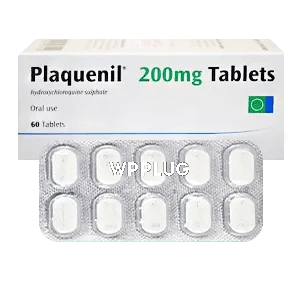
| Product dosage: 200mg | |||
|---|---|---|---|
| Package (num) | Per pill | Price | Buy |
| 10 | $5.00 | $50.01 (0%) | 🛒 Add to cart |
| 20 | $4.00 | $100.03 $80.02 (20%) | 🛒 Add to cart |
| 30 | $3.67 | $150.04 $110.03 (27%) | 🛒 Add to cart |
| 60 | $3.50 | $300.08 $210.06 (30%) | 🛒 Add to cart |
| 90 | $3.33 | $450.13 $300.08 (33%) | 🛒 Add to cart |
| 120 | $2.92 | $600.17 $350.10 (42%) | 🛒 Add to cart |
| 180 | $2.78 | $900.25 $500.14 (44%) | 🛒 Add to cart |
| 270 | $2.59 | $1350.38 $700.19 (48%) | 🛒 Add to cart |
| 360 | $2.39
Best per pill | $1800.50 $860.24 (52%) | 🛒 Add to cart |
| Product dosage: 400mg | |||
|---|---|---|---|
| Package (num) | Per pill | Price | Buy |
| 10 | $7.00 | $70.02 (0%) | 🛒 Add to cart |
| 20 | $6.00 | $140.04 $120.03 (14%) | 🛒 Add to cart |
| 30 | $5.67 | $210.06 $170.05 (19%) | 🛒 Add to cart |
| 60 | $5.33 | $420.12 $320.09 (24%) | 🛒 Add to cart |
| 90 | $5.00 | $630.18 $450.13 (29%) | 🛒 Add to cart |
| 120 | $4.58 | $840.23 $550.15 (35%) | 🛒 Add to cart |
| 180 | $4.45 | $1260.35 $800.22 (37%) | 🛒 Add to cart |
| 270 | $4.26 | $1890.53 $1150.32 (39%) | 🛒 Add to cart |
| 360 | $4.03
Best per pill | $2520.70 $1450.40 (42%) | 🛒 Add to cart |
Plaquenil, the brand name for hydroxychloroquine sulfate, represents one of those foundational medications in rheumatology and dermatology that continues to surprise us decades after its introduction. It’s an antimalarial agent that found its true calling in autoimmune conditions, acting as both a disease-modifying agent and an immunomodulator. What’s fascinating is how this old drug keeps revealing new layers of complexity in its mechanisms and applications.
## 1. Introduction: What is Plaquenil? Its Role in Modern Medicine
Plaquenil belongs to the 4-aminoquinoline class of compounds, originally developed from quinine derivatives used for malaria treatment. What began as an antimalarial quickly demonstrated unexpected benefits for inflammatory conditions, leading to its current status as a cornerstone therapy in autoimmune diseases. The transition from malaria prophylaxis to rheumatoid arthritis and lupus management represents one of those fortunate accidents in medicine that changed treatment paradigms.
In clinical practice, we’re not just prescribing an anti-inflammatory – we’re using a medication that fundamentally alters immune system signaling. The significance extends beyond symptom control to potentially modifying disease progression, which is why it remains first-line therapy despite newer biologic options. When patients ask “what is Plaquenil used for,” I explain it’s like a thermostat for an overactive immune system – it doesn’t shut it down completely but brings it back to appropriate levels.
## 2. Key Components and Bioavailability Plaquenil
The active component is hydroxychloroquine sulfate, with the chemical formula C18H26ClN3O·H2SO4. The molecular structure includes a quinoline ring system with a hydroxyethyl side chain, which actually makes it less toxic than its predecessor chloroquine while maintaining similar efficacy.
Bioavailability considerations are crucial with Plaquenil. The medication demonstrates approximately 74% oral bioavailability when taken with food, which significantly enhances absorption while reducing gastrointestinal side effects. Peak plasma concentrations occur within 2-4 hours post-administration, but here’s what many clinicians miss – the tissue accumulation is what really matters. The drug concentrates in leukocytes, erythrocytes, and organs like the liver and spleen, creating a reservoir effect that explains why therapeutic benefits may take 2-3 months to manifest fully.
The 200mg tablet formulation represents the standard, though some patients require different dosing strategies. We don’t have the luxury of extended-release versions, so timing and consistency become paramount.
## 3. Mechanism of Action Plaquenil: Scientific Substantiation
The mechanism is more nuanced than many realize. While we often simplify it to “raising lysosomal pH,” the reality involves multiple pathways. Plaquenil accumulates in acidic organelles like lysosomes, increasing the internal pH from around 4.5 to 6.0, which interferes with antigen processing and presentation.
But that’s just the beginning. It also inhibits toll-like receptor signaling, particularly TLR7 and TLR9, which reduces interferon-alpha production – crucial in lupus pathogenesis. The effect on calcium signaling in T-cells modulates activation thresholds, and there’s evidence of inhibition of phospholipase A2, reducing prostaglandin and leukotriene production.
What’s particularly interesting is how it affects autophagy – that cellular housekeeping process. In autoimmune conditions, impaired autophagy contributes to inflammation, and Plaquenil appears to restore more normal autophagic flux. This multi-pronged approach explains why it works across different conditions rather than targeting a single cytokine or pathway.
## 4. Indications for Use: What is Plaquenil Effective For?
Plaquenil for Systemic Lupus Erythematosus
This remains the classic indication where it demonstrates robust evidence for reducing disease activity, preventing flares, and improving survival. The LUMINA study and subsequent trials showed it reduces damage accumulation and has particular benefits for cutaneous and musculoskeletal manifestations.
Plaquenil for Rheumatoid Arthritis
As part of combination therapy or monotherapy, it reduces joint swelling, pain, and progression of radiographic damage. The effect might be more modest than methotrexate, but the safety profile makes it invaluable.
Plaquenil for Sjögren’s Syndrome
Emerging evidence supports its use for fatigue and arthralgias in Sjögren’s, though the effect on sicca symptoms remains debated.
Plaquenil for Dermatological Conditions
From discoid lupus to porphyria cutanea tarda, the anti-inflammatory effects extend to various skin disorders where photosensitivity is a component.
Plaquenil for Q Fever and COVID-19
The former has established evidence, while the latter… well, we all remember how that controversy unfolded. The initial theoretical promise didn’t translate to clinical benefit in randomized trials, teaching us important lessons about extrapolating from in vitro data.
## 5. Instructions for Use: Dosage and Course of Administration
Dosing follows weight-based calculations to maximize efficacy while minimizing retinal toxicity risk. The standard approach is ≤5mg/kg real body weight daily, using actual weight for most patients.
| Indication | Typical Dose | Frequency | Special Instructions |
|---|---|---|---|
| Lupus erythematosus | 400mg | Once daily or divided | With food or milk |
| Rheumatoid arthritis | 400-600mg | Once daily initially, reduce to maintenance | Monitor for GI intolerance |
| Malaria prophylaxis | 400mg | Weekly | Start 2 weeks before travel |
The course typically continues long-term for chronic conditions, with periodic reassessment. Many patients ask about “drug holidays,” but I generally discourage these unless for specific safety concerns, as the benefits depend on consistent tissue levels.
## 6. Contraindications and Drug Interactions Plaquenil
Absolute contraindications include known hypersensitivity to 4-aminoquinoline compounds and pre-existing retinal maculopathy. Relative contraindications include severe hepatic impairment, G6PD deficiency, and psoriasis (may exacerbate).
Significant drug interactions occur with:
- Digoxin (increased levels)
- Insulin and hypoglycemics (enhanced effects)
- Tamoxifen (increased retinal toxicity risk)
- Antacids (reduced absorption)
Pregnancy requires careful consideration – while historically considered safe, recent data suggests potential concerns that warrant individual risk-benefit discussions.
## 7. Clinical Studies and Evidence Base Plaquenil
The evidence spans decades, from early observational studies to modern randomized trials. The 1991 Canadian RCT for lupus demonstrated significant reduction in disease activity and flares. For rheumatoid arthritis, multiple studies show it reduces disease activity scores by approximately 0.5-1.0 points when added to methotrexate.
More recent research has focused on its cardioprotective effects in lupus – the Hopkins Lupus Cohort showed 50% reduction in thrombosis risk, while other studies indicate improved lipid profiles and reduced diabetes incidence.
The 2016 American Academy of Ophthalmology guidelines revolutionized monitoring, emphasizing objective testing over symptom reporting. This evidence-based approach has significantly improved safety without compromising access.
## 8. Comparing Plaquenil with Similar Products and Choosing a Quality Product
The comparison primarily involves hydroxychloroquine versus chloroquine – the former has better safety profile with similar efficacy. When considering generics, bioavailability studies show equivalence between brand and generic formulations, though some patients report subjective differences.
Quality considerations include manufacturer reputation and supply chain reliability. During the COVID-19 shortages, we saw how supply disruptions affect continuity of care, highlighting the importance of maintaining adequate supplies from reliable sources.
## 9. Frequently Asked Questions (FAQ) about Plaquenil
How long does Plaquenil take to work?
Clinical effects typically begin at 4-8 weeks, with maximal benefit at 3-6 months. The slow onset reflects tissue accumulation kinetics.
What monitoring is required for Plaquenil?
Baseline ophthalmologic exam, then annual screening after 5 years (sooner with risk factors). Routine labs including CBC and LFTs.
Can Plaquenil cause hair loss?
Yes, though usually reversible. Approximately 10-15% of patients experience some hair thinning, which often improves with continued use.
Is weight gain common with Plaquenil?
Not typically – unlike corticosteroids, it’s generally weight-neutral, though appetite changes occasionally occur.
Can Plaquenil be taken during pregnancy?
Generally considered compatible, though recent data suggests potential rare risks requiring individual counseling.
## 10. Conclusion: Validity of Plaquenil Use in Clinical Practice
The risk-benefit profile remains favorable for appropriate indications with proper monitoring. The combination of immunomodulatory effects, generally favorable safety profile, and low cost maintains its position in treatment algorithms despite newer alternatives.
I remember when Sarah, a 28-year-old graphic designer with new-onset lupus, sat in my office terrified of starting “that malaria drug.” Her hands were covered with rashes, her joints swollen, and she’d missed two months of work. We started Plaquenil despite her apprehension, and I’ll never forget her follow-up visit three months later – the rashes had faded to faint shadows, she could make a fist without pain, and she’d returned to work part-time. What struck me was her comment: “I feel like myself again, just with better sunscreen habits.”
Then there was Mr. Henderson, 72 with rheumatoid arthritis who’d failed methotrexate alone. My partner argued we should jump to biologics, but I pushed for adding Plaquenil first. The improvement was modest but meaningful – he could play with his grandchildren again, and we avoided the infection risks and costs of biologics. We had heated debates about that approach in our practice meeting, with valid points on both sides.
The unexpected finding over years of use has been how many patients report cognitive benefits – “brain fog” lifting in lupus patients, which isn’t well-captured in our standard outcome measures. We initially dismissed these reports as placebo effect, but the consistency across patients made me reconsider.
Follow-up with Sarah at five years shows maintained remission with no retinal toxicity, while Mr. Henderson eventually needed additional therapy but gained three good years with the Plaquenil combination. Their experiences reflect what the trials can’t fully capture – the restoration of normal life that makes this old drug still so valuable in our modern arsenal.