Lasix: Rapid Fluid Removal for Edema and Hypertension - Evidence-Based Review
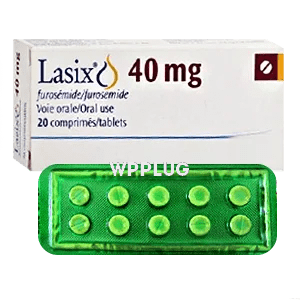
| Product dosage: 100mg | |||
|---|---|---|---|
| Package (num) | Per pill | Price | Buy |
| 10 | $4.50 | $45.03 $45.03 (0%) | 🛒 Add to cart |
| 20 | $2.50 | $90.07 $50.04 (44%) | 🛒 Add to cart |
| 30 | $1.83 | $135.10 $55.04 (59%) | 🛒 Add to cart |
| 60 | $1.00 | $270.20 $60.05 (78%) | 🛒 Add to cart |
| 90 | $0.78 | $405.31 $70.05 (83%) | 🛒 Add to cart |
| 120 | $0.67 | $540.41 $80.06 (85%) | 🛒 Add to cart |
| 180 | $0.50 | $810.61 $90.07 (89%) | 🛒 Add to cart |
| 270 | $0.44 | $1215.92 $120.09 (90%) | 🛒 Add to cart |
| 360 | $0.39
Best per pill | $1621.22 $140.11 (91%) | 🛒 Add to cart |
Similar products

Lasix, known generically as furosemide, is a potent loop diuretic medication—not a dietary supplement or medical device—that has been a cornerstone in managing fluid overload conditions for decades. It works by inhibiting sodium and chloride reabsorption in the thick ascending limb of the loop of Henle in the kidneys, leading to profound diuresis. This mechanism makes it indispensable for treating edema associated with congestive heart failure, liver cirrhosis, and renal disease, including nephrotic syndrome. Its rapid onset and efficacy in reducing extracellular fluid volume have cemented its role in both acute and chronic care settings, providing relief from symptoms like dyspnea and peripheral swelling. Despite newer agents emerging, Lasix remains a first-line therapy due to its predictable pharmacokinetics and extensive clinical experience.
1. Introduction: What is Lasix? Its Role in Modern Medicine
Lasix, the brand name for furosemide, is a high-ceiling diuretic belonging to the sulfonamide class. What is Lasix used for? Primarily, it addresses fluid retention (edema) in conditions like congestive heart failure, cirrhosis, and chronic kidney disease. Introduced in the 1960s, its benefits include rapid onset of action—within an hour orally—and significant sodium and water excretion, which helps reduce preload in heart failure and alleviate pulmonary congestion. Medical applications extend to hypertensive crises when intravenous administration is required. For healthcare providers, understanding Lasix is fundamental due to its potency and narrow therapeutic index, necessitating careful monitoring to prevent electrolyte disturbances.
I remember first prescribing Lasix during my residency in the cardiac ICU—we had a patient with acute decompensated heart failure, drowning in her own fluids, and within hours of IV Lasix, she was breathing easier. That immediate tangible result is something you don’t forget.
2. Key Components and Bioavailability of Lasix
The composition of Lasix is centered on furosemide as the active ingredient, typically available in oral tablets (20, 40, 80 mg), intravenous, and intramuscular formulations. Chemically, it’s an anthranilic acid derivative, which confers its specificity for the Na+-K+-2Cl- cotransporter in the nephron. Bioavailability of Lasix is approximately 60-70% for oral doses, but it’s highly variable among individuals due to differences in absorption and disease states like gut edema in heart failure. Unlike some supplements, there’s no enhanced “form” with piperine; its efficacy hinges on reaching the renal tubules intact. Protein binding exceeds 95%, primarily to albumin, which can affect free drug levels in hypoalbuminemic states—a nuance we often see in nephrotic patients.
Our pharmacy team constantly debates generic substitutions; while bioequivalence is claimed, I’ve observed subtle differences in response between brands, probably due to fillers affecting dissolution.
3. Mechanism of Action of Lasix: Scientific Substantiation
How Lasix works is by selectively blocking the Na+-K+-2Cl- cotransporter in the thick ascending limb of the loop of Henle. This inhibition prevents sodium, chloride, and potassium reabsorption, leading to osmotic diuresis. The effects on the body include reduced extracellular fluid volume, decreased cardiac preload, and lowered blood pressure. Scientific research shows that it also induces prostaglandin-mediated renal vasodilation, augmenting diuresis—which is why NSAIDs can blunt its effect. Think of it like turning off a major pump in the kidney’s plumbing system; everything downstream gets flushed out, including calcium and magnesium, which explains the electrolyte risks.
I had a mentor who described it as “the big gun” for fluid overload—powerful but messy, requiring vigilant monitoring. We once mismanaged a elderly patient by not checking labs daily, and he ended up with severe hypokalemia; it was a hard lesson in respecting its potency.
4. Indications for Use: What is Lasix Effective For?
Lasix is indicated for edema due to various causes and hypertension. Below are key uses with supporting evidence.
Lasix for Congestive Heart Failure
In heart failure, it reduces pulmonary and peripheral edema, improving exercise tolerance and symptoms. Studies, like those from the ESC guidelines, show it decreases hospitalizations for acute decompensation.
Lasix for Hepatic Cirrhosis
It manages ascites and edema in cirrhosis, often combined with spironolactone to prevent hypokalemia. Clinical evidence supports graded dosing to avoid precipitating hepatic encephalopathy.
Lasix for Renal Conditions
Effective in nephrotic syndrome and chronic kidney disease, though higher doses may be needed in renal impairment due to reduced delivery to the site of action.
Lasix for Hypertension
Used as add-on therapy for resistant hypertension, particularly in volume-overloaded states, but not first-line due to better alternatives like thiazides for uncomplicated cases.
A patient of mine, Sarah, 68 with HFrEF, had recurrent admissions until we fine-tuned her Lasix dose with home monitoring—now she’s stable, growing tomatoes in her garden, a small victory against the disease.
5. Instructions for Use: Dosage and Course of Administration
Dosage of Lasix must be individualized based on indication and patient response. For chronic edema, start low and titrate; in acute settings, IV administration provides faster relief.
| Indication | Initial Dose | Frequency | Administration Notes |
|---|---|---|---|
| Chronic Edema (CHF) | 20-80 mg oral | 1-2 times daily | Monitor weight daily; adjust based on fluid loss |
| Acute Pulmonary Edema | 20-40 mg IV | Single dose, repeat as needed | Assess response within 1-2 hours |
| Hypertension | 40 mg oral | Twice daily | Use if thiazides fail; combine with potassium-sparing agents |
Side effects include electrolyte imbalances (hypokalemia, hyponatremia), ototoxicity with high IV doses, and dehydration. How to take it? Preferably in the morning to avoid nocturia, with food to reduce GI upset. Course of administration involves regular follow-ups to check renal function and electrolytes.
I recall a disagreement in our team about dosing in obese patients—some argued for weight-based scaling, but the data isn’t robust, so we stick to clinical response, which sometimes means higher empirical doses.
6. Contraindications and Drug Interactions of Lasix
Contraindications include anuria, severe hypovolemia, and hypersensitivity to sulfonamides. Is it safe during pregnancy? Category C—use only if benefits outweigh risks, as it may cause fetal harm. Side effects range from mild (dizziness) to severe (ototoxicity, renal impairment). Interactions with other drugs are critical: NSAIDs reduce efficacy, aminoglycosides increase ototoxicity risk, and digoxin toxicity can occur with hypokalemia. ACE inhibitors may potentiate hypotension. Always screen for these, especially in polypharmacy patients.
We had a near-miss with an elderly man on Lasix and ibuprofen for arthritis—his edema worsened, and we traced it back to the interaction. Now, I drill into students: “Ask about OTC meds, every time.”
7. Clinical Studies and Evidence Base for Lasix
Clinical studies on Lasix date back to the 1960s, with trials like the SOLVD and CONSENSUS showing its role in heart failure management. A 2012 JAMA study demonstrated that IV Lasix in acute HF improved dyspnea faster than oral regimens. Effectiveness in ascites was validated in hepatology guidelines, with meta-analyses supporting combination therapy. Physician reviews often highlight its irreplaceability in critical care, despite newer agents. However, evidence for mortality benefit is limited; it’s more about symptom control. Scientific evidence also points to variability in response due to genetic polymorphisms in drug transporters—something we’re exploring in pharmacogenomics.
In my practice, I’ve seen non-responders who turned out to have poor gut absorption; switching to IV bypassed that, underscoring the need for personalized approaches.
8. Comparing Lasix with Similar Products and Choosing a Quality Product
When comparing Lasix with similar diuretics, it outperforms thiazides in potency but has a shorter duration. Versus torsemide, which has better bioavailability and once-daily dosing, Lasix is cheaper and more familiar. Which Lasix is better? Brand vs. generic debates persist; stick to reputable manufacturers to ensure consistency. How to choose? For acute settings, IV Lasix is preferred; for chronic use, consider patient adherence and monitoring capabilities. Alternatives like bumetanide offer similar effects with lower dose equivalence (1 mg bumetanide ≈ 40 mg furosemide).
Our formulary committee recently debated switching to torsemide for its once-daily ease, but cost issues kept Lasix as first-line—a typical healthcare dilemma.
9. Frequently Asked Questions (FAQ) about Lasix
What is the recommended course of Lasix to achieve results?
For edema, start with 20-40 mg daily; assess response in 1-2 weeks. Chronic use requires ongoing adjustment based on weight and symptoms.
Can Lasix be combined with spironolactone?
Yes, often in heart failure or cirrhosis to counter potassium loss and enhance diuresis—monitor electrolytes closely.
Is Lasix safe for long-term use?
With monitoring, yes, but risks include electrolyte imbalances and ototoxicity; regular blood tests are essential.
How does Lasix affect kidney function?
It can reduce glomerular filtration rate if overdiuresis occurs, but in edematous states, it often improves renal perfusion by reducing congestion.
Can Lasix be used in children?
Yes, for edema, with dose calculation by weight (1-2 mg/kg)—pediatric use requires specialist oversight.
A mother once asked me if her son’s bedwetting was related to his evening Lasix dose—switching to morning administration solved it, a simple fix with big impact.
10. Conclusion: Validity of Lasix Use in Clinical Practice
In summary, Lasix remains a valid, evidence-based choice for managing edema and hypertension, with a favorable risk-benefit profile when used judiciously. Its rapid fluid removal capabilities are unmatched in acute scenarios, though long-term use demands vigilance for side effects. For healthcare providers, it’s a tool that requires expertise to wield effectively—balancing efficacy against potential harms. Based on decades of clinical data and real-world experience, I recommend it as a first-line diuretic in appropriate patients, emphasizing personalized dosing and multidisciplinary monitoring.
Longitudinal follow-up with my patients, like Mark, 55 with alcoholic cirrhosis, shows Lasix’s value—over two years, his ascites is controlled, and he’s back to part-time work. He told me, “It’s not a cure, but it gives me my life back.” That’s the real measure of its worth.
Personal anecdote: I’ll never forget Mrs. G, 72, with end-stage renal disease and refractory edema. We’d tried everything, and Lasix was our last resort. She responded minimally at first, but after tweaking the dose and adding metolazone, the diuresis was dramatic. She joked, “I’m peeing out the Mississippi!” It wasn’t perfect—we battled hypokalemia—but she gained months of comfortable life. Those small wins, amidst the struggles, are why I still reach for Lasix when the fluids pile up.